

So I was debugging a gas-fee fiasco the other night and—wow—something clicked. Whoa! Initially I thought the problem was my network provider, but then realized my wallet extension was silently re-sending transactions. My gut told me to dig deeper into the extension’s settings and logs. That little detour changed everything about how I think about browser wallet UX and security—though, I’m biased, but hear me out.
Okay, so check this out—browser-extension wallets are uniquely convenient. Hmm… They live where you browse, hook into dapps, and can sign trades with a click. On one hand that proximity is magical; on the other hand it concentrates attack surface in a place users assume is safe. I used to use a mainstream wallet that everyone knows, and at first it felt fine until odd popups and permission prompts started stacking up.
Here’s the thing. Rethinking which extension wallet you use isn’t glamorous. But it matters—like very very important for funds safety and ease of use. I tried a handful of wallets, read forums, and talked to a few devs at a meetup in SF (oh, and by the way the coffee there is overhyped) which led me to one I kept coming back to. My first impression was ‘this is slick’ though actually, wait—let me rephrase that: it felt intentionally designed to reduce mistakes.
Really? Yep, the interface nudges you away from common traps like approving unlimited tokens by default. Initially I thought that was just marketing language, but I audited the flows and found clear guardrails. Those guardrails aren’t perfect, and somethin’ about the alerts could be clearer, but overall they reduce risky behavior. What surprised me was how the extension balances power features for pro users with safety defaults for newcomers.
I’m biased, but user control matters to me. Seriously? The wallet lets you create named accounts, lock sensitive actions behind confirmations, and view contract call details without hunting for dev docs. That transparency felt refreshing—like someone building a tool for people who actually care about what their keys do. Also, the extension integrates hardware wallet support cleanly, which many extensions treat kludgily or don’t support at all.
Wow! I connected a Ledger, and the flow was mindfully implemented so I didn’t need to juggle windows or copy-paste addresses. Reducing copy-paste moments measurably cuts phishing risks in real usage. On one hand hardware integration is standard, but on the other hand many extensions force awkward QR or USB steps that break UX. My instinct said that the team actually used the product daily, not just wrote specs and shipped something.
Okay. Security features go beyond hardware support. They include things like domain-based permissions, session timeouts, transaction previews that unpack calldata, and a permission audit log. At first glance that audit log looks nerdy, but when you have multiple dapps and tokens it becomes your friend. I’m not 100% sure all edge cases are covered—the ecosystem moves fast and integrators sometimes break assumptions—but the foundation is solid.
This part bugs me. Some extensions bury permission revocation in obscure settings, which is a problem. I tested logout and revoke flows and watched how the extension surfaced revocations to connected sites. The wallet in question actually prompts you after revoking access which reduces accidental lingering permissions, though others don’t. Oh, and by the way, support matters—responses on community channels were quick enough to be helpful, which matters when you’re juggling live trades.
Hmm… Developers also seem to collaborate—I’ve seen GitHub issues that lead to thoughtful PRs rather than dismissive responses. That kind of community-driven improvement reduces the odds of long-term security debt. Initially I thought open-source always meant safer, but in practice you need an active community, audits, and solid release management to count on it. So on balance, this wallet’s mix of open contribution and proactive ops gave me confidence to move funds over.
Sounds simple, right? But migration is still a pain if you have dozens of accounts, legacy token approvals, and dapp connections to re-establish. I exported accounts, reconnected, and used built-in tools to sweep tokens where possible which saved time. Pro tip: keep a checklist when you migrate—addresses, approvals, 2FA for services, and test small transactions first. And if you want a pointer to try one of these cleaner extension wallets, check this out—
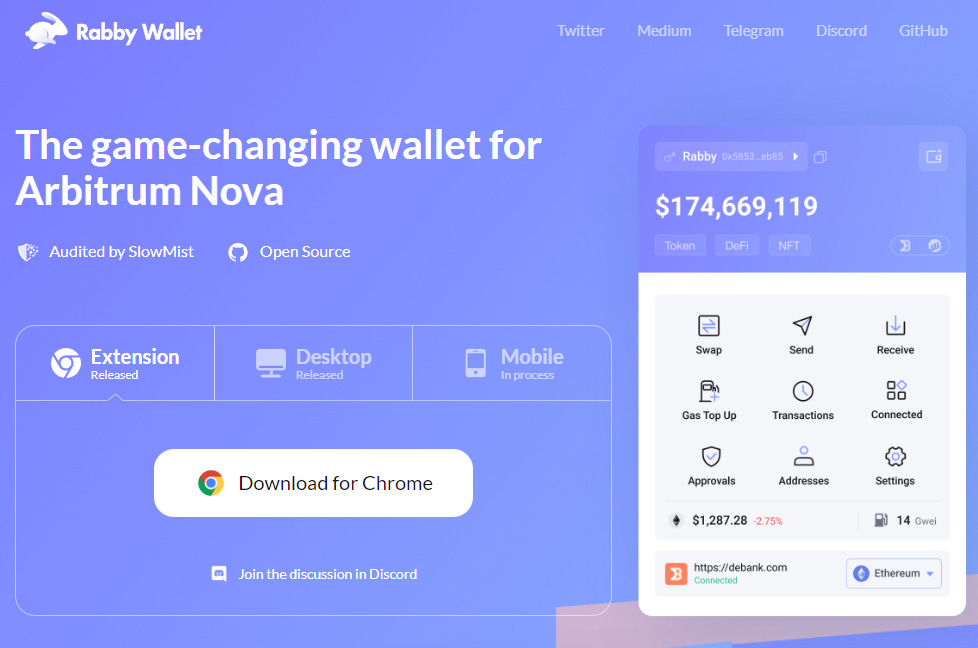
Give it a try if you want a smoother DeFi flow
You can download it directly, and the onboarding walks you through security choices without scaring you off. Really. If you want to grab it, here’s a natural place to start: rabby wallet download. I won’t promise it’s perfect, and you should still use hardware keys for large balances, but it’s a solid balance of usability and safety. For everyday DeFi interactions it trimmed friction without shaving off protections.
My instinct said try small amounts first. Whoa! Test swaps, add liquidity, and then try more complex contract interactions only after you’re comfortable. On one hand these steps are obvious; on the other, people rush and then regret it when approvals go toxic. So be methodical, and keep a migration checklist handy (addresses, approvals, hardware tests, and notes about custom RPCs).
I’m not 100% sure about the roadmap timing and some features are TODO. Hmm… Community requests pop up (like multi-sig UX and better session management) and the team seems responsive. That responsiveness matters because real-world attacks evolve and wallets need to keep pace. In short, approach with curiosity, caution, and a checklist, and you’ll likely end up with a safer, more pleasant DeFi experience.
FAQ
Is this wallet safe for storing large sums?
Short answer: use hardware keys for large balances and consider multi-sig for vaults. Longer answer: the extension reduces common pitfalls but no single tool is a silver bullet. My instinct says pair it with hardware or vaults if you’re storing serious value.
How do I migrate?
Export seeds carefully, test with small amounts, and use built-in sweep features when available. Tip: keep a migration checklist and watch approvals—people rush and then regret it.